
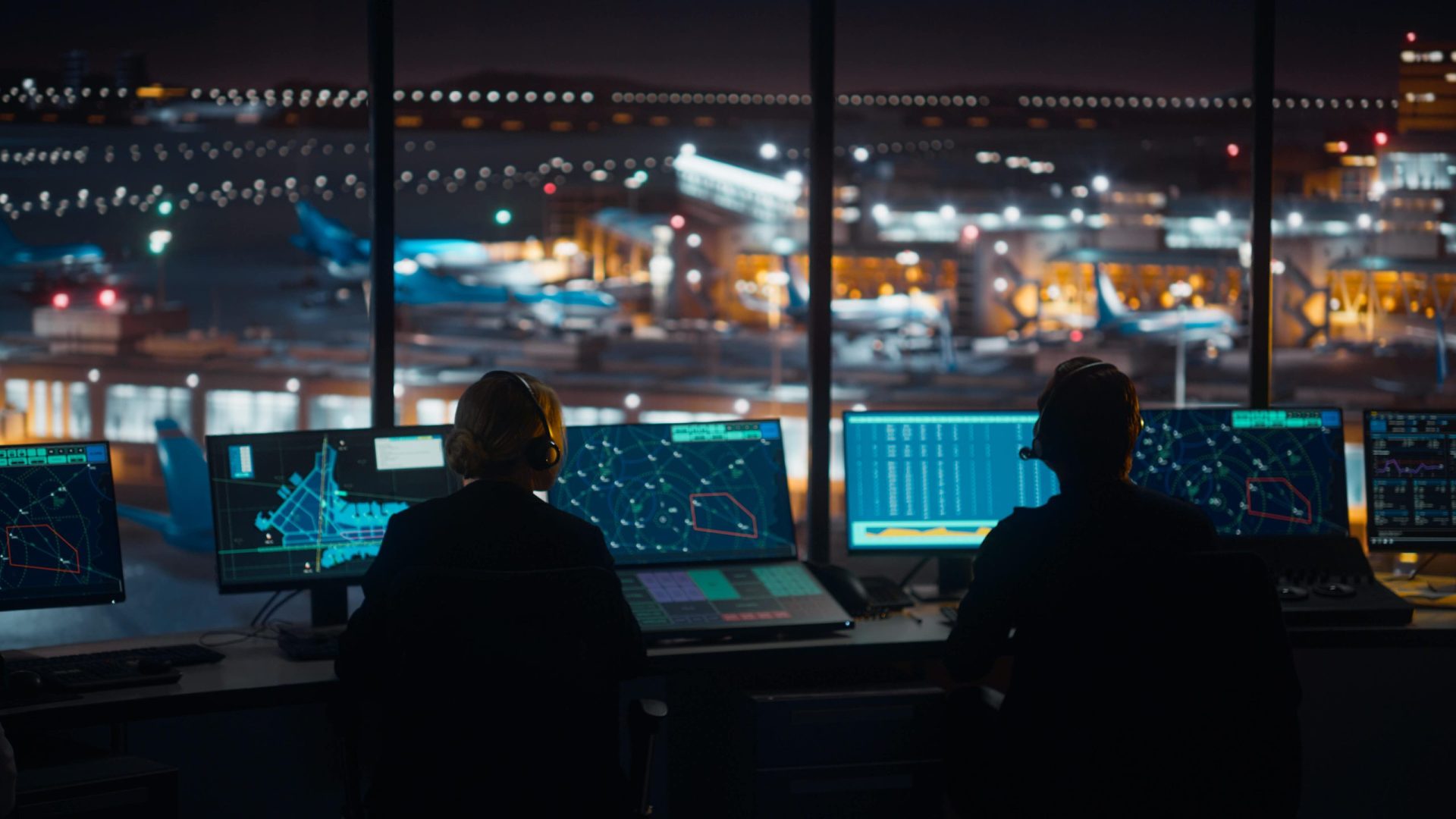
MRO role is to prevent problems before they happen, which is why there’s a lot of emphasis on regular checks and maintenance schedules. By catching issues early or predicting when parts might fail, MRO helps airlines avoid unexpected downtimes and keeps everything running smoothly. Planes are kept up to regulatory standards and in optimal conditions.
How are modern technologies shaping the future of aviation and MRO?
Aviation technology and MRO practices are at the forefront of ensuring that every flight is not only safe but also efficient. In an industry where precision is crucial, MRO isn't just about adherence to routine checks. It's the merge of technology and expertise to anticipate potential issues before they ground aircraft. This integration of advanced diagnostics and predictive analytics transforms MRO from a mere maintenance checklist into a strategic tool that minimizes downtime, maximizes aircraft performance and upholds stringent safety standards. By implementing newest technologies and innovative processes, MRO ensures that aircraft are fit to fly.
What key challenges does MRO face?
Managing aviation maintenance, repair and operations involves numerous hurdles. From ensuring a balanced inventory to meeting stringent regulatory requirements — this process requires meticulous planning and execution.
Inventory management
One of the biggest headaches in MRO is keeping the inventory just right. Too many spare parts on the shelf take up a lot of space, while too few can delay repairs and ground aircraft for a long time. Effective inventory management means accurately predicting needs and maintaining a delicate balance to avoid excess and shortage.
Compliance with legal and safety requirements
The aviation industry is governed by rigorous regulations and safety standards that MRO operations must fulfill. This involves staying up-to-date with changes in regulations, ensuring that all maintenance practices meet these standards, and passing regular audits. It’s a continuous process that demands attention to detail and thorough documentation.
Complex processes
Scheduling maintenance and repairs efficiently is crucial to minimizing aircraft downtime. This involves coordinating various tasks and teams, ensuring the necessary parts and personnel are available, and integrating these activities with the flight schedule. The goal is to keep planes in the air as much as possible without compromising safety.
Document management
Keeping detailed records of all maintenance activities is a regulatory requirement but also is essential for work efficiency. This includes documenting every check, repair, and part replacement.
How to transform MRO with modern technologies?
MRO is an area of continuous improvement to reduce costs and energy consumption and ensure a high-quality journey. Modern aviation is undergoing a fast transformation through the adoption of advanced technologies. These innovations are making aircraft maintenance more efficient, cost-effective, and precise.
IoT and Big Data
Integrating the Internet of Things (IoT) allows real-time monitoring of an aircraft’s technical conditions. Sensors placed on various aircraft parts collect data continuously, which is then analyzed using big data analytics. IoT and Big Data help predict maintenance needs before issues become critical, preventing unexpected downtime and optimizing maintenance schedules.
Artificial Intelligence
AI analyzes vast amounts of data from past maintenance records, flight operations, sensor data to predict potential failures and suggest optimal maintenance times. In addition, AI collects data on the dates of required repairs, available materials, and employee availability to create schedules that will use 100% of the available time and space.
Augmented Reality
By creating virtual aircraft models, AR allows technicians to visualize and simulate various maintenance scenarios. This will enable testing multiple repair scenarios, accidents, and emergencies. This improves the precision and speed of actual repairs. Technicians can receive real-time instructions and overlay digital information onto physical components, making complex tasks more accessible and accurate.
Repetitive tasks
Automation is streamlining many repetitive tasks in the MRO process. Robots and automated systems can handle tasks such as component installation, basic inspections, and testing. Automation speeds up the maintenance process and reduces the risk of human error, leading to higher overall maintenance efficiency and reliability.
Document management
Managing the extensive documentation required in MRO is daunting and time-consuming. Automated document management systems can do it faster and more accurately than humans, and they work every day, 24 hours a day. This technology can handle creating, storing, and retrieving maintenance records. Everything is by regulations and facilitating quick access to necessary information during audits.
Takeaway
Modern technologies are enhancing the efficiency and precision of MRO operations in aviation and fundamentally transforming the industry. AI and automation make MRO processes faster, more efficient, and more precise. They help predict issues before they become problems, streamline complex tasks, and ensure that every piece of documentation is spot-on and easy to access.
In essence, these technologies are setting new standards for safety and reliability in aviation. They are staying competitive in the ever-evolving air travel landscape. Embracing these innovations means maintaining higher standards, reducing costs, and ensuring a safer, more reliable experience for everyone who flies.