
AI & Airport Management
How is AI's transformative influence reshaping airport management?
The aerospace industry is experiencing a profound transformation fueled by the integration of artificial intelligence solutions. From autonomous flight systems that optimize routes to machine learning algorithms that predict maintenance needs, AI is streamlining operations, reducing costs and ensuring that every component operates at its peak.
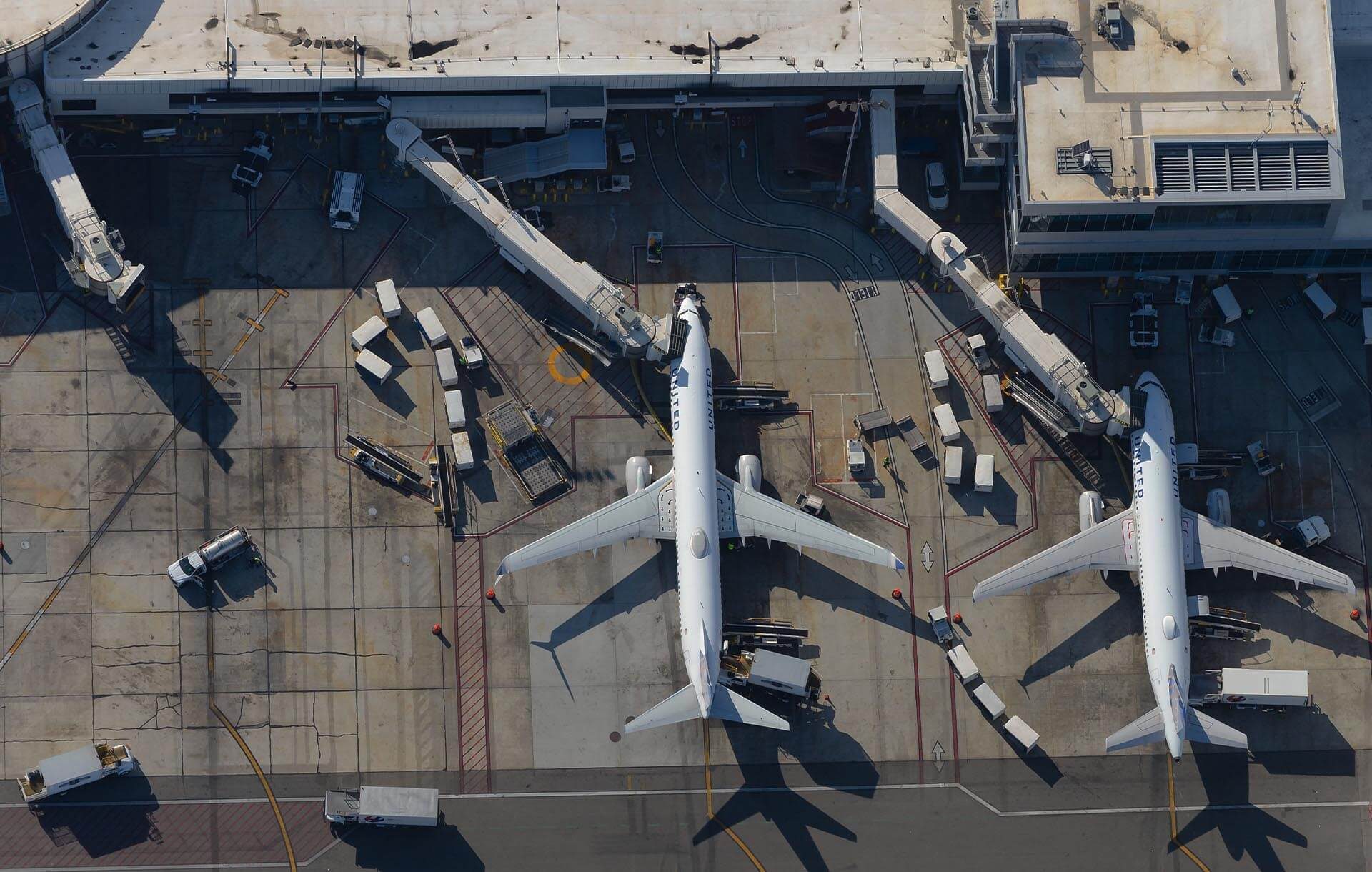
The same AI-based transformation can be seen in airport management. From elevating passenger experiences to enhancing operational efficiency, the future of airports is poised to be more efficient and secure. Automating document processing, scheduling workforces and conducting intelligent document searches are just examples of possible improvements.
AI’s impact on the aerospace industry is also profoundly manifested in its capacity to process and analyze massive datasets in real-time. Data-driven decision-making is becoming the cornerstone of the industry’s evolution as it empowers aerospace professionals with unprecedented insights.
Understanding the unique demands of airport management software
The software landscape for aerospace, particularly in the realm of airport management, is distinctly unique and riddled with challenges that set it apart from conventional software.
One primary challenge lies in the multifaceted nature of airport operations. Unlike many other industries, airports serve as complex hubs where numerous elements, including security, air traffic, passenger services and airline operations, must seamlessly converge.
Moreover, the aviation industry operates within a highly regulated environment, subject to stringent safety and security standards. Software must adhere to and evolve alongside these regulations, requiring constant updates and enhancements to stay compliant.
The sheer scale of airport operations and the volume of data generated on a daily basis present a unique challenge for software developers. Airport management software must be capable of handling vast datasets in real-time. The need for robust analytics and predictive modeling adds another layer of complexity to the development process.
AI efficiency in navigating airport workforce challenges
Managing staff schedules efficiently is one of most common and complex challenges that airports are facing. Shift-based operations, diverse job roles and compliance with aviation regulations necessitate a comprehensive approach that considers various factors simultaneously.
As a response to this problem, it is possible to allocate human resources more effectively using AI. This solution analyzes workforce demand and with understanding of peaks and troughs in demand, it ensures that staff schedules align with the dynamic nature of airport operations. This proactive approach allows airports to anticipate staffing needs, allocate resources efficiently and ultimately enhance overall operational efficiency.
In addition to efficiency gains, the implementation of AI in staff scheduling contributes to improved employee satisfaction. By factoring in individual preferences, and work-hour regulations, the system ensures that schedules are not only optimized for the airport’s operational needs but also considerate of staff well-being.
Optimizing and enhancing operations in airport software
The distinctive challenges in developing software for aerospace, particularly airport management, stem from the intricate nature of airport operations and the complexity of data involved. Overcoming these challenges requires a nuanced approach that prioritizes adaptability, security and the seamless integration of diverse operational functions.
AI solutions become crucial for optimizing the industry of aerospace software development, particularly in enhancing the capabilities of airport management. It allows for the analysis of massive datasets in real-time, enabling predictive analytics to optimize processes such as workforce allocation, thus ehance overall efficiency. This ensures that airport operations remain resilient and responsive.
Author: Zuzanna Demska-Buszkiewicz, AI Business Lab